A New Standard for

Transaction Monitoring

A New Standard for

Transaction Monitoring

Context-native monitoring that sees across rails, entities, and behavior - in real time.

Copilot· Transaction MonitoringNew rule
Alert me when a customer receives over $10k in crypto from wallets younger than 30 days, then moves 90% of it out within an hour.
Rapid pass-through from new wallets
WHENIncoming transferAsset class = Crypto
ANDCounterparty wallet age< 30 days
ANDSum of inflows, 24h> $10,000
ANDOutflow within 1h≥ 90% of inflow
THENCreate alert · High riskCrypto investigations
BACKTEST 90 DAYS
1,000evaluated
38triggered
3.8%trigger rate
✓ Rule active
< 300ms
< 300ms

Transaction to alert

$500B+
$500B+

in volume secured

181+jurisdictions
181+jurisdictions

Global coverage

Designed for How Modern Financial Institutions
Actually Operate

Designed for How Modern Financial Institutions
Actually Operate

Traditional transaction monitoring tools lock teams into rigid rules, slow change cycles, and black-box behavior. Corsa replaces that with a no-code, AI-driven monitoring engine that evolves with your business, your data, and your risk landscape.

Build Rules Across Your Entire Risk Stack
Full-Context Detection Engine

Full-Context Detection Engine

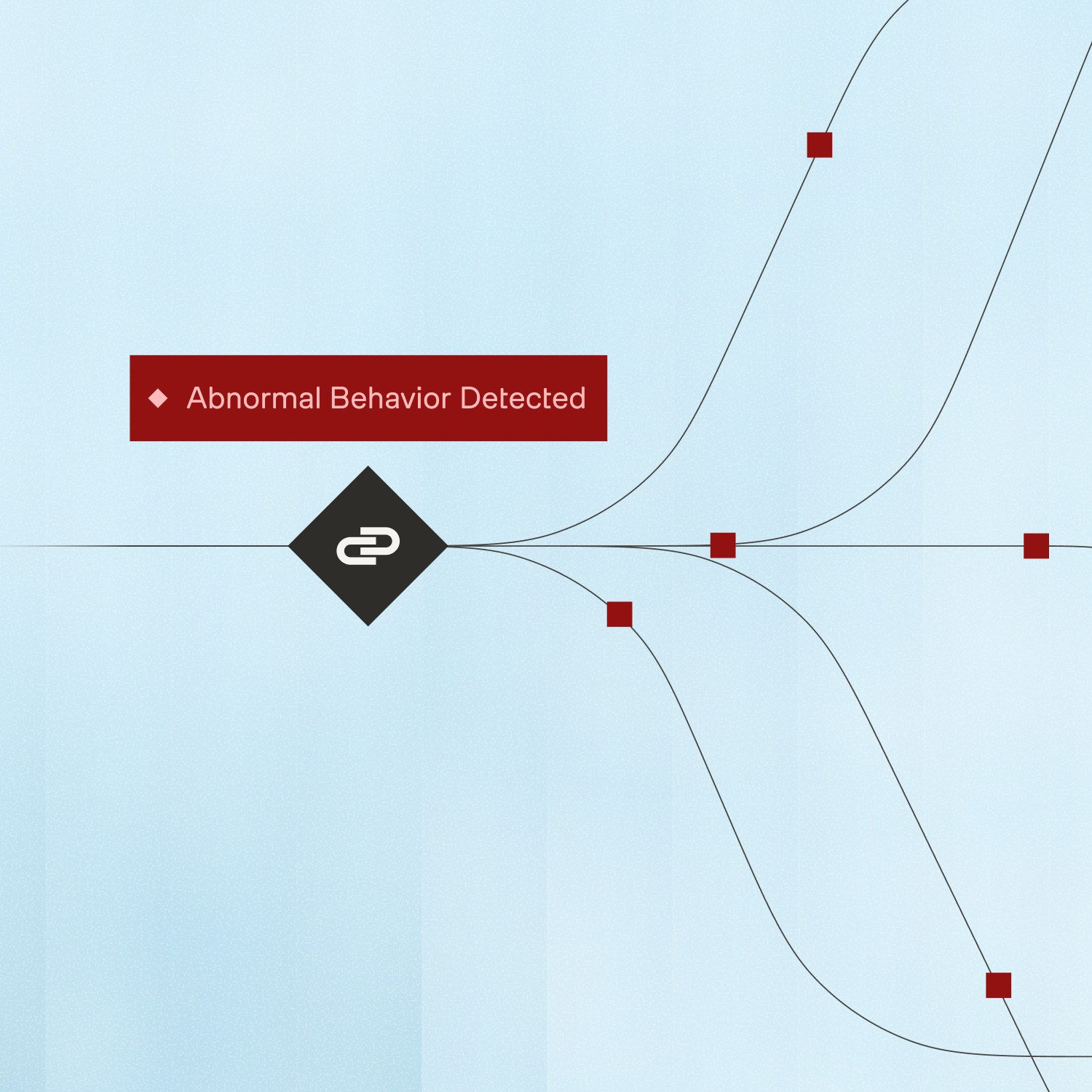
Corsa’s detection engine evaluates activity against a unified data model - combining onboarding attributes, sanctions and screening results, on-chain risk indicators, wallet and counterparty topology, rail type, asset class, velocity windows, rolling aggregates, and custom internal metadata.

Corsa’s detection engine evaluates activity against a unified data model - combining onboarding attributes, sanctions and screening results, on-chain risk indicators, wallet and counterparty topology, rail type, asset class, velocity windows, rolling aggregates, and custom internal metadata.

Rules as Deep as
the Risk You Monitor

Rules as Deep as
the Risk You Monitor

Detection That Goes Beyond Rules.

Detection That Goes Beyond Rules.

Real-time decisions in the API

Request a synchronous check and get ALLOW or FREEZE back with the rules that matched, so a risky transaction is frozen in Corsa the moment it is created. Or monitor everything in the background.

Describe a rule. Corsa builds it.

Tell Copilot what to catch in plain English. It drafts the conditions, validates them and shows you a preview. Nothing changes until you apply it.

Typologies, not just thresholds

Structuring, rapid in-and-out, dormant reactivation, new counterparties, shared wallets and deviation from each customer’s own baseline, with ready-made typology templates to start from.

Anomaly detection beyond rules

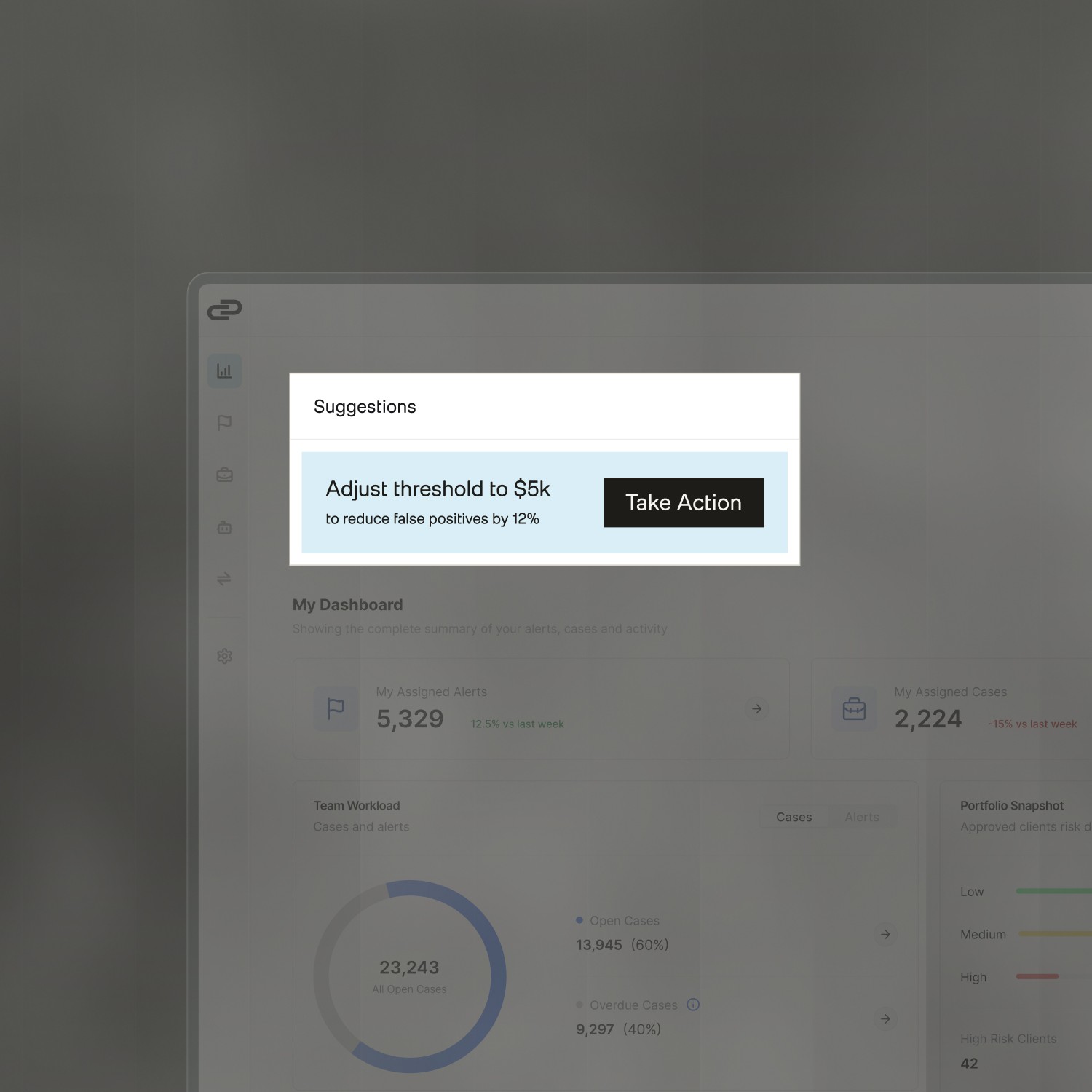
Statistical detectors learn each customer’s normal and flag outliers, velocity spikes and drift. Start in shadow mode, tune thresholds with a live preview, then go live.
AI Triage on Every Alert

Recommendations You Can Audit

Recommendations You Can Audit

Before an analyst opens an alert, Corsa’s triage agent checks the transaction against the rule that fired, the customer’s history, similar past alerts and screening results. It recommends true or false positive and whether to resolve or escalate, with its reasoning and evidence attached. You set its policy in plain language, measure it against your analysts’ decisions, and turn on auto-resolve only if you choose.

Before an analyst opens an alert, Corsa’s triage agent checks the transaction against the rule that fired, the customer’s history, similar past alerts and screening results. It recommends true or false positive and whether to resolve or escalate, with its reasoning and evidence attached. You set its policy in plain language, measure it against your analysts’ decisions, and turn on auto-resolve only if you choose.

Validate, Refine, and Optimize
With AI Intelligence

Validate, Refine, and Optimize
With AI Intelligence

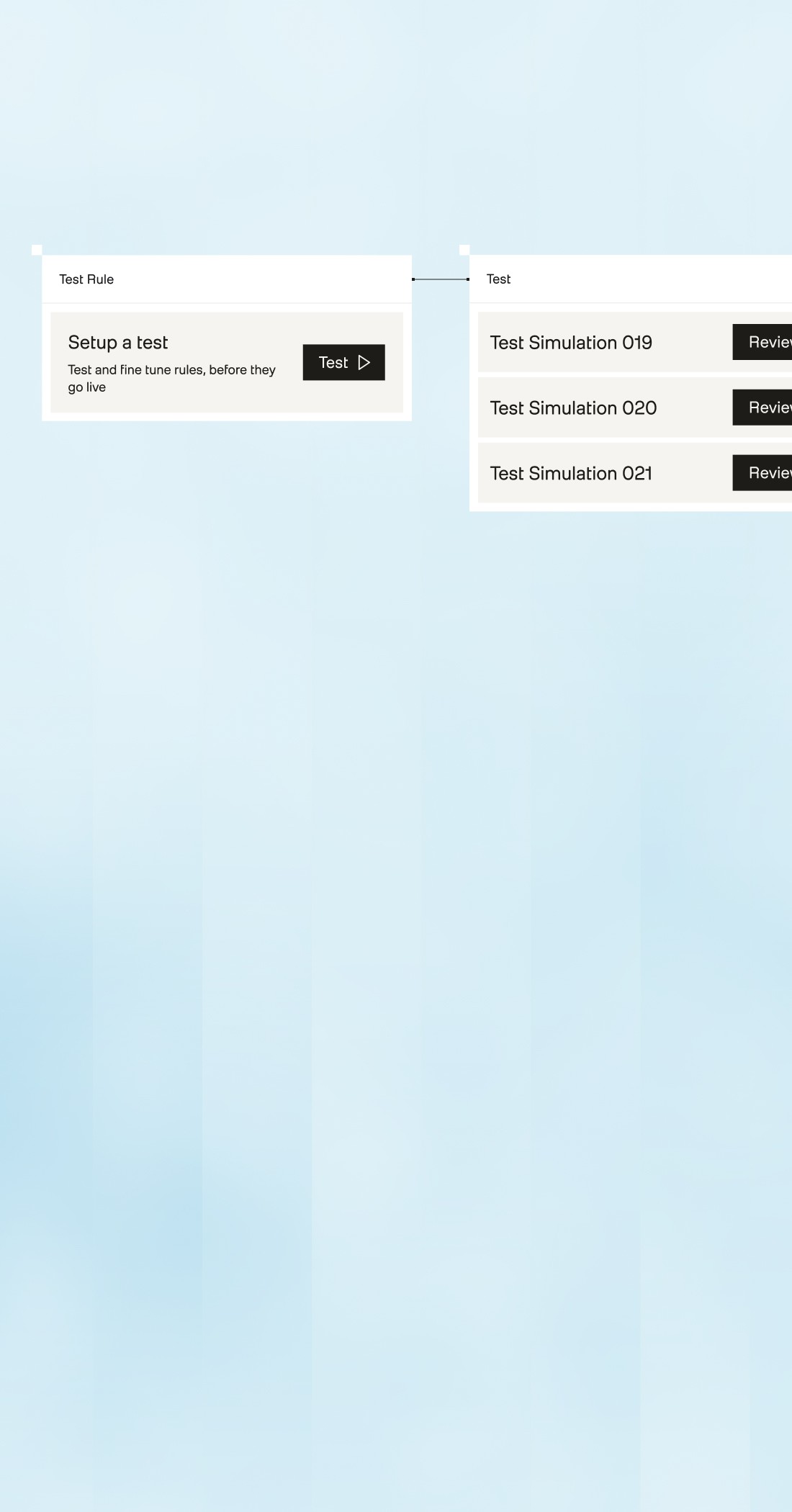
Test, Simulate, Then Activate

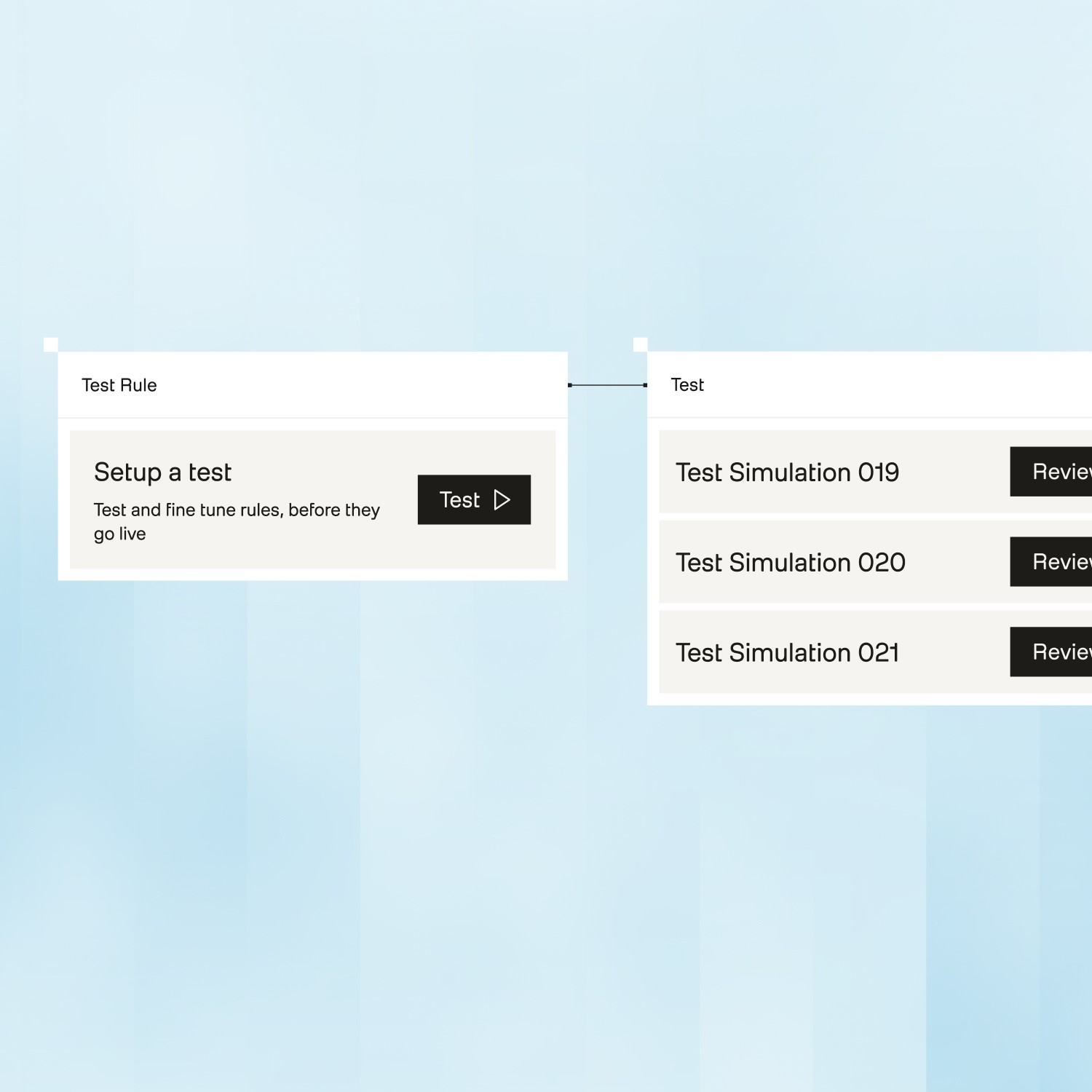
Before a rule goes live, run it against your historical transactions to see:
expected alert volume, which conditions fire, and how each test run compares.
Make confident changes - with no guesswork and no surprises.

AI-Assisted Rule Tuning

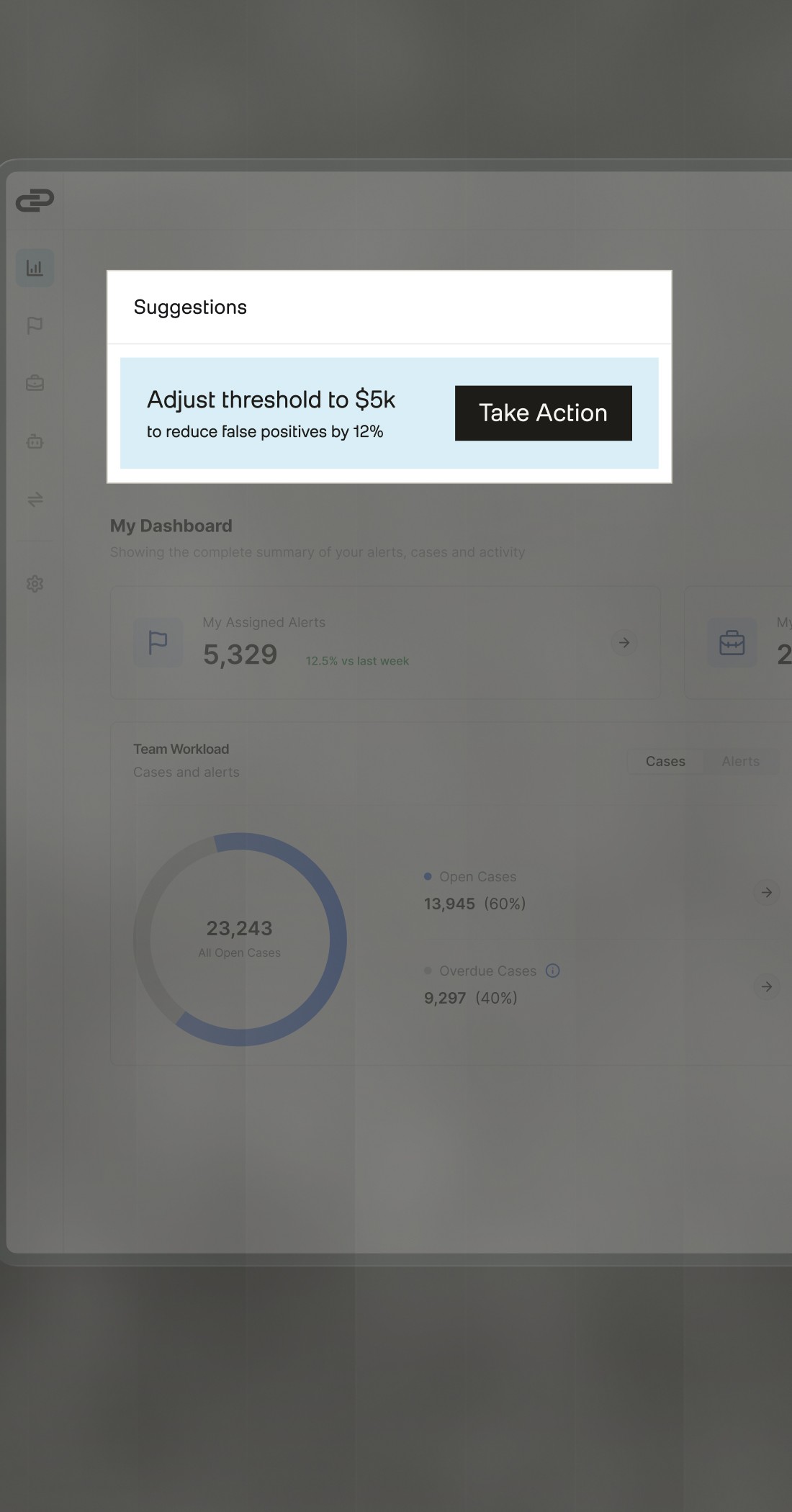
Ask Copilot to tighten a rule: it reads your backtest results and proposes the change
for you to preview and apply. Triage learns from your analysts’ overrides and suggests policy updates.

Rule Performance Analytics

Measure what actually matters: alert trends, false positives, risk capture effectiveness, and rule contribution to case outcomes - all in one place.

From Alert to Filed SAR

Investigation and Reporting in One Place

Investigation and Reporting in One Place

Follow the flow of funds, see connections across wallets, accounts, devices and IPs, and read a plain-language explanation of why each rule fired. Copilot answers questions about the alert or case you are on, drafts the case narrative, and pre-fills SAR fields from case evidence with every claim cited. Your team reviews, approves and e-files to FinCEN.

Follow the flow of funds, see connections across wallets, accounts, devices and IPs, and read a plain-language explanation of why each rule fired. Copilot answers questions about the alert or case you are on, drafts the case narrative, and pre-fills SAR fields from case evidence with every claim cited. Your team reviews, approves and e-files to FinCEN.

Audit-Ready. Future-Proof.

Audit-Ready. Future-Proof.

Every change on the record

Every rule change, deployment and update is logged automatically, including who changed what and when, so your monitoring program keeps a complete, regulator-ready record with zero manual effort.

Grows with your business

Add vendors, expand into new geographies and launch new products. Your monitoring logic adapts without rebuilding pipelines, rewriting integrations or re-engineering workflows.

AI that shows its work

Every AI recommendation comes with its reasoning and the evidence behind it. Your analysts make the final call, and every AI action is logged next to theirs.

Connected to your stack

Fireblocks, Utila, Chainalysis, TRM, Sardine and Notabene feed one alert queue, and workflows act on every alert, case and transaction event.

Frequently asked questions

What makes Corsa’s transaction monitoring different?

It sees the whole picture. Corsa monitors every transaction with full context on the customer, their accounts, wallets and devices, so you catch real risk and cut the noise.

Can Corsa stop a suspicious payment before it goes through?

Yes. Ask for a real-time decision when you send the transaction and Corsa returns allow or freeze with the rules that matched. A transaction that triggers a halt rule is frozen in Corsa immediately.

Can we test rules before turning them on?

Yes. Run any rule against past transactions and see exactly what it would have caught before it goes live.

Does Corsa monitor crypto as well as fiat?

Yes. Fiat and on-chain activity are monitored side by side, with Chainalysis and TRM Labs built in.

Do we need engineers to change rules?

No. Your compliance team builds and updates rules in a no-code builder, using ready-made templates.

Does the AI close alerts on its own?

Only if you turn it on. By default the triage agent recommends a decision with its reasoning and evidence, and your analysts make the final call. Auto-resolve and auto-escalate are opt-in.

Can we write rules in plain English?

Yes. Describe what you want to catch and Copilot drafts the rule conditions, validates them and shows you a preview. Nothing changes until you apply it.

How do you explain why an alert fired?

Every rule hit can be explained in plain language, alongside the transaction, the rule that matched and the customer context, so analysts and auditors can see exactly why an alert was raised.

Do you detect more than rule hits?

Yes. Anomaly detectors learn each customer’s normal behavior and flag outliers, velocity spikes and drift. You can run them in shadow mode first and backtest before they create alerts.


Build Smarter Risk Detection.

Build Smarter Risk Detection.

Upgrade your compliance operations instantly, with no technical debt or complex setup.